
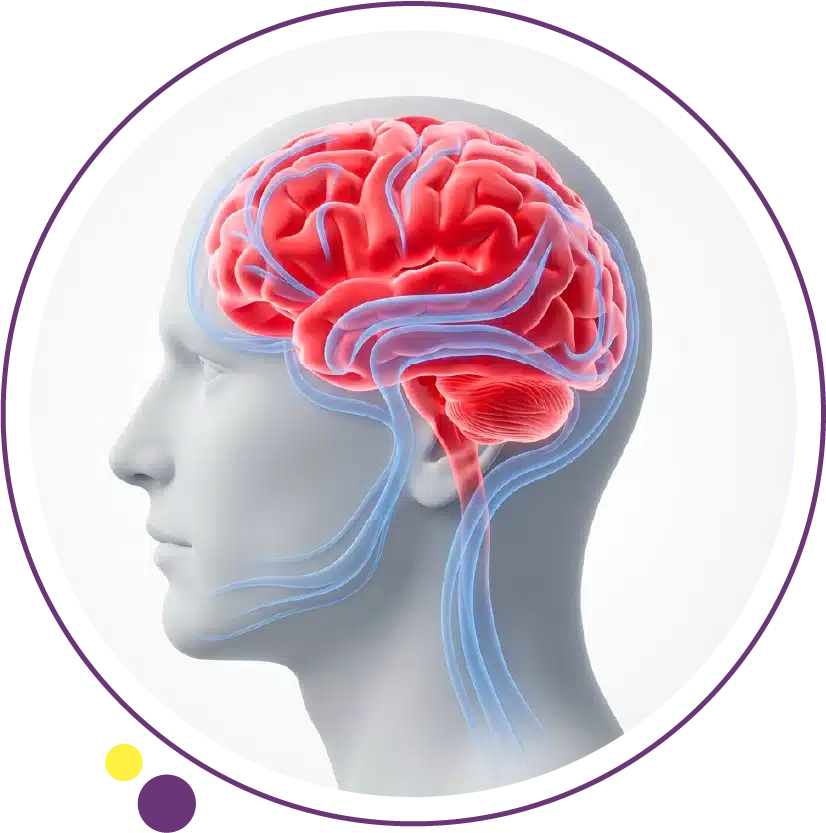
The question of whether brain cancer can be cured is one of the first things many patients and families ask after a diagnosis or even after a suspicious scan. It is a deeply human question, and it deserves a clear, honest answer. In medicine, the answer is not the same for every patient because “brain cancer” includes several different diseases with different behaviors, treatment options, and outcomes.
A realistic answer is this: some brain tumors can be removed completely and may be cured, but many aggressive brain cancers are treated with the goal of controlling the disease, preserving brain function, easing symptoms, and helping patients live longer. This is especially true for higher-grade tumors that grow quickly or spread into nearby brain tissue, making complete removal difficult.
For patients seeking diagnostic imaging in Kuwait, it is also important to know that treatment decisions usually begin with accurate imaging. 3 Tesla MRI is often central to diagnosis, treatment planning, and follow-up, while CT Scans may be used in urgent situations or when MRI is not suitable.
What does cure mean in brain cancer?
In cancer care, doctors use the word “cure” carefully. A cure generally means the cancer has been treated and is not expected to return. But in real clinical practice, doctors often speak in terms of remission, response, control, or recurrence risk because some cancers can look completely gone on scans and still come back later.
The National Cancer Institute defines complete remission as the disappearance of all signs of cancer in response to treatment, but it also makes clear that this does not always mean the cancer has been cured. That distinction matters a lot in brain cancer, where follow-up imaging and ongoing monitoring are often part of long-term care.
Can brain cancer be cured?
Sometimes, yes. But not always. The most accurate patient-friendly answer is that cure is possible in selected cases, especially when a tumor is low grade, localized, and can be removed completely. By contrast, many infiltrative or high-grade brain cancers are not usually considered curable, even when they respond well to treatment at first.
For example, the NCI notes that some tumors such as pilocytic astrocytomas are often curable when totally resectable, and some lower-grade ependymal tumors are often curable as well. On the other hand, treatment for glioblastoma commonly involves surgery, radiation, and chemotherapy, but it is generally approached as a serious aggressive disease rather than one that can routinely be cured.
This is why patients should be careful with oversimplified online claims. In real life, the better question is often not only “Can it be cured?” but also “What is the goal of treatment in my case?” For some people the goal is cure. For others it is long-term disease control, slower growth, symptom relief, better neurologic function, or more time with good quality of life.
What factors decide whether a cure is possible?
Several factors strongly affect whether a brain cancer may be cured or controlled for a long time.
1. Tumor type and grade
The first is tumor type. Brain cancers are not all the same, and different tumor types behave very differently. The second factor is tumor grade. American Cancer Society guidance explains that lower-grade tumors tend to grow more slowly and are less likely to invade nearby tissue, while higher-grade tumors grow faster, invade more, and often need more intensive treatment.
2. Location and Resectability
The third factor is location. A tumor may be small but still difficult to cure if it sits in a part of the brain that controls speech, movement, vision, or other essential functions. The fourth factor is how completely the tumor can be removed. When surgery can achieve a full resection, the chance of durable control or cure is generally better than when a visible tumor must be left behind for safety reasons. But even a successful operation may need to be followed by radiation, chemotherapy, or close imaging surveillance depending on the pathology result.
3. Molecular and genetic features
The fifth factor is molecular and genetic features. Modern treatment planning increasingly depends on tumor biology, not just what the tumor looks like under the microscope. Some targeted drugs now help selected tumors with specific mutations, which means two tumors that look similar on basic imaging may have different treatment paths and different outcomes.
Why prognosis varies so much from one patient to another
Population statistics show just how different brain tumor outcomes can be. The American Cancer Society reports wide variation in 5-year relative survival rates by tumor type and age. In adults aged 40 and older, reported 5-year relative survival is 79% for oligodendroglioma, 91% for ependymoma, 88% for meningioma, and 6% for glioblastoma. These numbers do not predict what will happen to one person, but they do show why no single answer fits every diagnosis.
Age and overall health also matter. Younger patients often do better than older patients with the same tumor type, and a person’s general health can affect whether they are strong enough for surgery, radiation, chemotherapy, or newer treatment approaches.
Why might a doctor say the goal is control rather than cure?
This usually happens when the tumor has diffuse or infiltrative growth, when complete removal would risk major neurologic damage, or when the tumor type is known to recur despite standard treatment. In these cases, treatment still matters a great deal. It may reduce tumor burden, slow progression, ease symptoms, decrease swelling, prevent seizures, and extend survival.
For example, grade 4 brain tumors often move quickly, and treatment commonly starts with surgery, radiation, and chemotherapy. Even then, many patients eventually face recurrence, which is why doctors often speak honestly about disease control, response, and follow-up rather than promising cure.
What treatments are used when brain cancer is treatable?
Treatment usually involves more than one step. The American Cancer Society lists the main options as surgery, radiation therapy, chemotherapy and other drugs, targeted therapy, and Tumor Treating Fields therapy.
Surgery
Surgery is often the first major treatment when the tumor can be reached safely. The goals may include removing all visible tumors, reducing pressure in the brain, getting tissue for diagnosis, and improving symptoms caused by mass effect. In some patients, surgery creates the best chance of cure. In others, it is part of a larger treatment plan.
Radiation therapy
Radiation is commonly used after surgery if some tumor remains, when tumor biology suggests higher recurrence risk, or when surgery is not possible. Modern radiation planning uses imaging to target the tumor while trying to protect nearby healthy tissue.
Chemotherapy
Chemotherapy is often used for aggressive tumors such as glioblastoma and for other tumor types depending on pathology and recurrence status.
Targeted therapy and newer treatments
Newer options are now changing care for selected patients. The American Cancer Society notes that targeted therapies work by attacking specific features of cancer cells. NCI also reports that in 2024 the FDA approved vorasidenib for selected low-grade gliomas.
Why does imaging matter so much in brain cancer?
Imaging is not just used to find a tumor. It shapes the entire treatment journey. 3 Tesla MRI is especially important because MRI provides detailed brain images, does not use ionizing radiation, and can reveal abnormalities that may be less visible with other methods. This makes it one of the main tools for early evaluation and treatment planning.
In some cases, advanced MRI techniques help evaluate the brain areas responsible for language and movement before surgery. Cardiac MRI or specialized neuro-imaging can help assess important regions and estimate the risks of surgery or other invasive treatments. That information can affect how aggressive a surgeon can safely be.
Imaging also stays important after diagnosis. Regular follow-up is a standard part of care. Post-treatment MRI or CT Scan may be used to look for recurrence, monitor treatment effects, and assess the health of the brain.
How is brain cancer usually diagnosed before treatment begins?
Diagnosis usually begins with symptoms, neurological examination, and imaging. A doctor may request 3 Tesla MRI when a patient has seizures, persistent headaches, or other concerning neurologic symptoms. In more urgent situations, a CT Scan may be performed first.
But imaging alone does not always tell the full story. In many cases, tissue from surgery or biopsy is needed. That pathology result, together with imaging findings and molecular testing, helps doctors decide whether a cure is realistic.
Can recurrent brain cancer still be treated?
Yes. Recurrence does not mean there are no options. NCI states that there is no single standard treatment for recurrent CNS tumors because care depends on the person’s condition. This is another reason careful follow-up imaging matters. A change seen on MRI after treatment may represent tumor regrowth or treatment effect.
When should a patient seek urgent evaluation?
A patient should seek prompt medical assessment for a first seizure, worsening headaches with vomiting, or sudden weakness. These symptoms do not automatically mean brain cancer, but they can signal a serious neurologic problem that needs urgent evaluation and often imaging.
For patients in Kuwait, timely evaluation at a radiology center in Kuwait may help move the process forward quickly. Early diagnosis does not guarantee cure, but it often improves the quality of decision-making.
Frequently asked questions
- Does complete remission mean brain cancer is cured?
Not necessarily. The NCI defines complete remission as the disappearance of all signs of cancer, but it also states that this does not always mean the cancer has been cured.
- Is glioblastoma curable?
Glioblastoma is usually treated aggressively, but it is not generally considered routinely curable. Standard care often includes surgery, radiation, and chemotherapy.
- Can surgery alone cure brain cancer?
Sometimes, but only in selected cases. Surgery may offer the best chance of cure when a tumor is low grade, well-defined, and can be removed completely.
- Why do patients need repeated MRI scans after treatment?
Follow-up MRI helps doctors look for recurrence, monitor the health of the brain, and assess treatment-related changes.
Your diagnostic journey at Images for Health
When patients ask can brain cancer be cured, the most helpful answer starts with accurate diagnosis. Early imaging, when clinically indicated, can clarify what doctors are dealing with. High-quality radiology supports treatment planning, especially when symptoms are new. In a specialized medical imaging center in Kuwait, such as Images Diagnostic Center, patient comfort and clear imaging interpretation support better medical decision-making.
Core Services available at Images Diagnostic Center in Kuwait include:
- 3 Tesla MRI
- Open MRI
- CT Scan
- Ultrasound & Doppler
- X-rays
- Mammography
- DEXA Scan (Bone density scan)
- Home Radiology (Home imaging services)
Patients who need more information or have been referred for imaging may contact us to arrange an appointment at our branches in Jabriya, Hawally or Salmiya. Images Diagnostic Center supports trusted diagnostic imaging in Kuwait with advanced radiology services designed to assist doctors and patients through diagnosis and follow-up care.